
4mm low iron glass
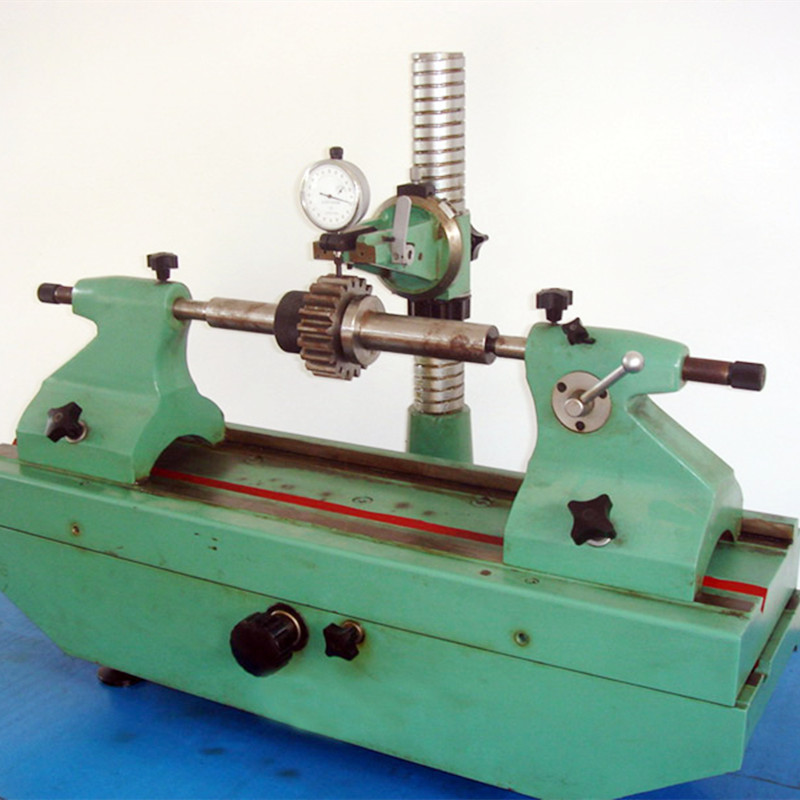
Understanding the Measurement Platform A Key to Data-Driven Decision Making In today’s digital age, where information is ubiquitous and technology is ever-evolving, the concept of a measurement platform has emerged as a cornerstone for businesses aiming to make data-driven decisions. But what exactly is a measurement platform, and why is it crucial for organizational success? A measurement platform is essentially a structured system designed to collect, analyze, and interpret data from various sources. It serves as a tool for businesses to gauge performance metrics and understand the effectiveness of their strategies, campaigns, and overall operations. The primary goal of this platform is to convert raw data into meaningful insights that can guide decision-making processes. One of the most compelling aspects of a measurement platform is its ability to consolidate data from multiple channels. In a world where customer interactions happen across websites, social media, mobile apps, email, and more, having a unified view of data is essential. This consolidation allows businesses to understand customer behavior holistically rather than in silos. For instance, analyzing customer engagement across different platforms enables businesses to identify trends, preferences, and areas for improvement. Key Components of a Measurement Platform To be effective, a measurement platform generally includes three key components data collection, data analysis, and reporting. 1. Data Collection This is the foundational step where businesses gather data from various sources. It often involves integrating different tools and technologies such as web analytics, social media metrics, customer relationship management (CRM) systems, and more. Tools like Google Analytics, Adobe Analytics, and other specialized software play crucial roles in this phase, ensuring that the data collected is accurate and comprehensive. 2. Data Analysis Once data is collected, the next step is analysis. This process transforms raw data into actionable insights. Various analytical techniques and methodologies are employed, such as statistical analysis, predictive analytics, and visualization tools. By analyzing data patterns, businesses can uncover valuable insights about customer behavior, market trends, operational efficiency, and potential risks. 3. Reporting The final component of a measurement platform is reporting, where insights are presented in a digestible format . Effective reporting tools visualize data through dashboards and charts, making it easier for stakeholders to interpret findings. Clear, understandable reports ensure that decision-makers have access to the information they need to formulate strategies and drive growth. measurement platform The Importance of a Measurement Platform The benefits of implementing a measurement platform are manifold. First and foremost, it enhances accountability within organizations. By establishing specific KPIs (Key Performance Indicators) and metrics, teams can track progress and performance with greater clarity, leading to more informed decisions. Moreover, a measurement platform fosters a culture of data-driven decision-making, encouraging teams to rely on evidence rather than intuition. Additionally, businesses can optimize their marketing efforts through better insights. By understanding which campaigns drive engagement and conversions, organizations can allocate resources more effectively, ultimately maximizing ROI (Return on Investment). Moreover, the ability to segment data allows for personalized marketing strategies, enhancing customer experiences and fostering loyalty. Challenges and Considerations Despite its advantages, creating an effective measurement platform is not without challenges. Data privacy concerns, integration issues, and the sheer volume of data can complicate the process. Businesses must ensure compliance with regulations such as GDPR and CCPA while maintaining data accuracy and security. Furthermore, organizations should be mindful of the importance of user training and adoption. Ensuring that teams are well-versed in utilizing the platform effectively is crucial for maximizing its benefits. Conclusion In conclusion, a measurement platform is an indispensable asset for modern businesses striving for growth and competitiveness. By providing a structured approach to data collection, analysis, and reporting, it equips organizations with the insights needed to make informed decisions. As technology continues to advance, the need for robust measurement platforms will become even more critical, paving the way for a future defined by data-driven success.
about
4mm low iron glass
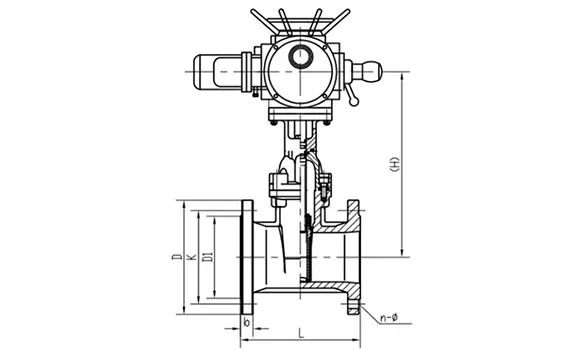
Understanding the 63mm Gate Valve An Essential Component in Fluid Control Gate valves are integral to many industrial applications, serving a critical role in the management and regulation of fluid flow. Among the various sizes and types of gate valves, the 63mm gate valve stands out for its versatility and efficiency. In this article, we will explore the features, benefits, and applications of the 63mm gate valve, shedding light on why it is essential in various industries. What is a Gate Valve? A gate valve is a type of valve used to control the flow of liquids and gases in a pipeline. It operates by raising or lowering a gate mechanism, which can either fully open or completely close the flow of fluid. This design minimizes pressure loss and provides a smooth flow, making gate valves highly effective for applications where full flow is essential. Features of the 63mm Gate Valve The 63mm gate valve is designed to accommodate pipes with a nominal diameter of 63 millimeters. Typically constructed from durable materials such as cast iron, brass, or stainless steel, these valves offer robust performance even in challenging environments. They feature a simple yet effective design, which includes 1. Rugged Construction Designed to withstand high pressure and temperature variations, making them suitable for a range of applications. 2. Ease of Operation The operation mechanism, often handwheel or gear-driven, allows for smooth opening and closing, facilitating rapid flow control. 3. Low Flow Resistance The straight-through design ensures minimal turbulence and pressure drop, which is critical in maintaining system efficiency. Benefits of Using a 63mm Gate Valve gate valve 63mm 1. Reliability With their straightforward design and fewer moving parts, gate valves are known for their reliability and long service life. This makes them a preferred choice in critical applications. 2. Versatility The 63mm size makes these valves suitable for various hydraulic applications, whether in water supply systems, sewage treatment plants, or industrial processes. 3. Cost-Effectiveness While the initial investment may vary, the long-term savings on maintenance and downtime make gate valves a cost-effective solution. 4. Minimal Leak Potential When fully closed, the design of the gate valve significantly reduces the chance of leaks, ensuring safety and efficiency in fluid control. Common Applications The 63mm gate valve finds use in numerous sectors, including - Water Supply and Distribution Essential in municipal water systems for controlling flow and maintaining pressure. - Fire Protection Systems Used in fire hydrant systems to regulate water supply effectively. - Industrial Processes Commonly found in chemical processing, oil and gas applications, and power generation plants. Conclusion In conclusion, the 63mm gate valve plays a vital role in fluid management across various industries. Its reliability, versatility, and efficient design make it an essential component in ensuring smooth and controlled fluid flows. As industries continue to evolve, the importance of such valves in optimizing operations and maintaining safety cannot be overstated. From municipal water systems to complex industrial applications, the gate valve remains a cornerstone of modern engineering solutions. Investing in high-quality gate valves is not merely about compliance but about enhancing operational efficiency and ensuring long-term reliability.
-

High quality industrial productsagement

High quality industrial products
View Details -

Meet the diverse needs of customers

Meet the diverse needs of customers
View Details -

Strict quality control

Strict quality control
View Details -

Top raw materials

Top raw materials
View Details -

Trusted supplier

Trusted supplier
View Details
Our application


news and information
Valvola di ritegno 6an per sistemi idraulici e pneumatici di alta qualità
Il settore industriale moderno richiede soluzioni efficienti per il controllo del flusso di fluidi,

v block & clamp
The Importance of V-Block and Clamp in Precision Workholding In various machining and manufacturing

Utilize brackets for wood connection
The Indispensable Role of Brackets in Wood Joinery In the realm of woodworking, brackets play an es
 English